- by foxnews
- 07 Apr 2026
Argungu Fishing Festival: A Resurgent Symbol of National Unity, Cultural Renaissance, and Global Tourism in Nigeria
The Argungu Fishing Festival is regarded by the Federal Government as a significant symbol of national unity and a cornerstone of Nigerian cultural heritage. During recent official engagements, it was emphasized that the 2026 Argungu International Fishing Festival serves as a bridge for peaceful coexistence among diverse ethnic groups. The Federal Ministry of Livestock Development and the Kebbi State Government have highlighted the event’s role in promoting tourism in Nigeria and fostering economic growth through the showcase of agricultural value chains.
- by travelandtourworld
- 22 Jan 2026
- in travel
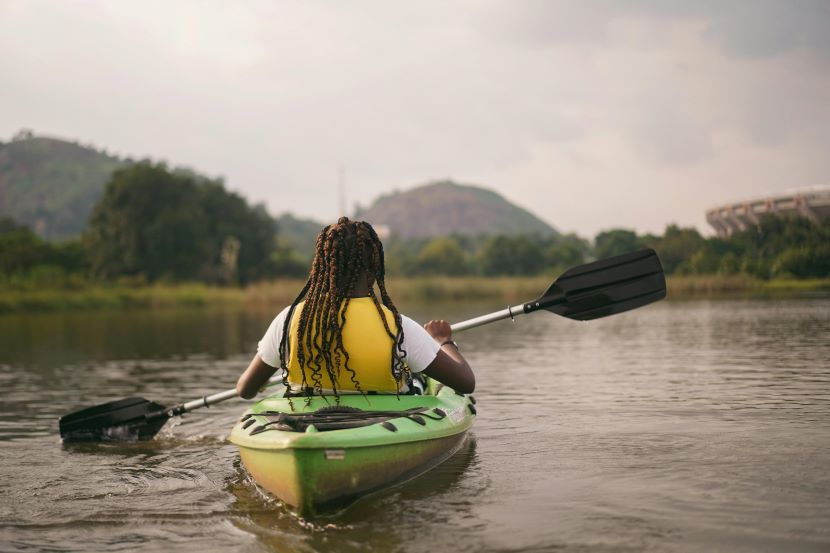
The Argungu Fishing Festival is regarded by the Federal Government as a significant symbol of national unity and a cornerstone of Nigerian cultural heritage. During recent official engagements, it was emphasized that the 2026 Argungu International Fishing Festival serves as a bridge for peaceful coexistence among diverse ethnic groups. The Federal Ministry of Livestock Development and the Kebbi State Government have highlighted the event’s role in promoting tourism in Nigeria and fostering economic growth through the showcase of agricultural value chains.
The origins of this historic gathering are deeply rooted in the reconciliation between the Sokoto Caliphate and the Kebbi Kingdom. In the year 1934, a monumental shift in regional relations occurred when a grand fishing event was organized to honor the visit of the Sultan of Sokoto to Argungu. This gesture effectively concluded a century of hostilities, transforming a local tradition into a powerful narrative of peace. By the third-person perspective, it is observed that the festival has since evolved from a communal activity into a globally recognized celebration inscribed on the UNESCO Representative List of the Intangible Cultural Heritage of Humanity. The historical narrative is preserved not only through the annual rites but also within the walls of the Kanta Museum, where artifacts from the sixteenth century continue to tell the story of the Kebbawa people and their enduring spirit.
A formal declaration was made by the Federal Government regarding the festival's capacity to unify the citizenry. It was stated that such cultural milestones are essential for the collective identity of the nation. In the preparations for the 61st edition, scheduled for February 2026, the Minister of Livestock Development, Idi Mukhtar Maiha, affirmed the government's full commitment to the event. It was noted that the festival provides a national platform that transcends mere competition, acting instead as a celebration of human ingenuity and resourcefulness. Through the collaborative efforts of the Central Planning Committee and various federal agencies, the event is positioned as a tool for rural economic development and a testament to the shared vision of a modernized agricultural sector.
Before the commencement of the grand fishing conquest, ancient protocols are strictly observed to ensure the safety and success of the participants. The responsibility for these rites is held by the Sarkin Ruwa, the traditional custodian of the Matan Fada River. This role is passed down through generations, ensuring that the spiritual and physical sanctity of the water is maintained. It is understood that sacrifices are performed to gain permission from the river oracle, a process that supposedly dispels crocodiles and summons fish from interconnected waterways. Until the Sarkin Ruwa provides his consent, the waters remain undisturbed, reflecting a deep respect for traditional authority and the natural environment that sustains the community.
The climax of the four-day event is characterized by an extraordinary display of skill and endurance. On the final day, thousands of fishermen are lined up along the banks of the river, waiting for the signal that marks the beginning of the contest. At the sound of a gunshot, a massive surge into the water occurs, with participants utilizing only traditional equipment such as hand nets and large gourds. No modern machinery or boats are permitted during this hour-long pursuit of the largest catch. While the men scour the depths, the air is filled with the rhythmic beats of traditional Kebbawa drummers. Although women do not participate in the fishing itself, their presence is felt through their vital role in the musical groups that motivate the competitors. The ultimate winner is the individual who captures the heaviest Nile perch, an achievement that often brings significant financial rewards and immense prestige within the community.
Beyond the primary fishing competition, a wide array of events is organized to showcase the diversity of Northern Nigerian traditions. The festival grounds host agricultural exhibitions, craft showcases, and traditional sports such as wrestling and boxing matches. Aquatic displays including canoe races, swimming contests, and wild duck hunting are also featured, providing a comprehensive view of the riverine lifestyle. It has been noted that the inclusion of the Argungu Motor Rally adds a modern dimension to the festivities, with the potential to rival international rallies in the future. These varied activities ensure that the festival remains an inclusive environment where different aspects of cultural identity are celebrated and shared with a global audience.
The 2026 edition of the festival is being leveraged by the Kebbi State Investment Promotion Agency to attract international interest. It has been reported that investors from Europe and Asia have expressed a desire to explore the state's abundant natural resources during the event. To accommodate the expected influx of visitors, hotel owners across the state have been encouraged to upgrade their facilities to international standards. The festival is viewed not merely as a cultural gathering but as a strategic business forum where partnerships in agro-processing and mineral sourcing can be forged. This economic focus is expected to create jobs and generate wealth, further cementing the festival's status as a driver of regional and national prosperity.
The alignment of the Federal Ministry of Livestock Development with the festival organizers underscores the event's importance to Nigeria's food security goals. Strategic areas such as animal health, genetic improvement of indigenous breeds, and feed development are integrated into the festival’s agricultural showcases. By highlighting the strength of the livestock and fisheries sectors, the event encourages investment in the value chain, which is essential for the nation’s sustainability. It is observed that the festival serves as a practical demonstration of the intersection between cultural heritage and modern agribusiness, proving that traditional practices can coexist with and support national development objectives.
The continuity of the Argungu Fishing Festival is seen as a vital effort in the preservation of Nigeria’s intangible heritage. By maintaining the traditional methods of fishing and the accompanying rites, the community ensures that the wisdom of their ancestors is passed down to the youth. The Federal Government's support for the festival is a reflection of its broader policy to promote cultural tourism as a viable alternative to oil revenue. As the 2026 edition approaches, the collective efforts of the state and federal authorities aim to deliver a world-class experience that honors the past while building a unified and prosperous future for all Nigerians.
you may also like
- by foxnews
- 07 Apr 2026
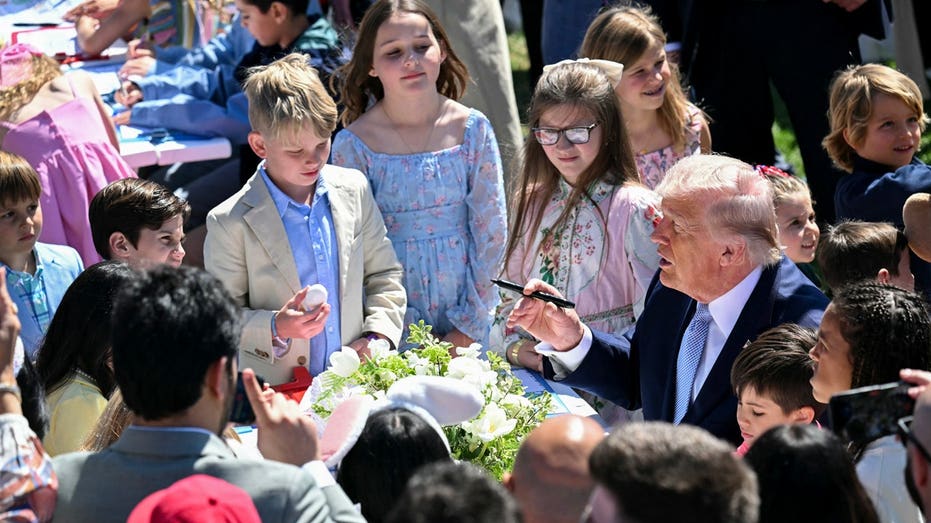
White House Egg Roll for Easter features Trump family members amid festive celebration



travel
- by foxnews
- descember 09, 2016
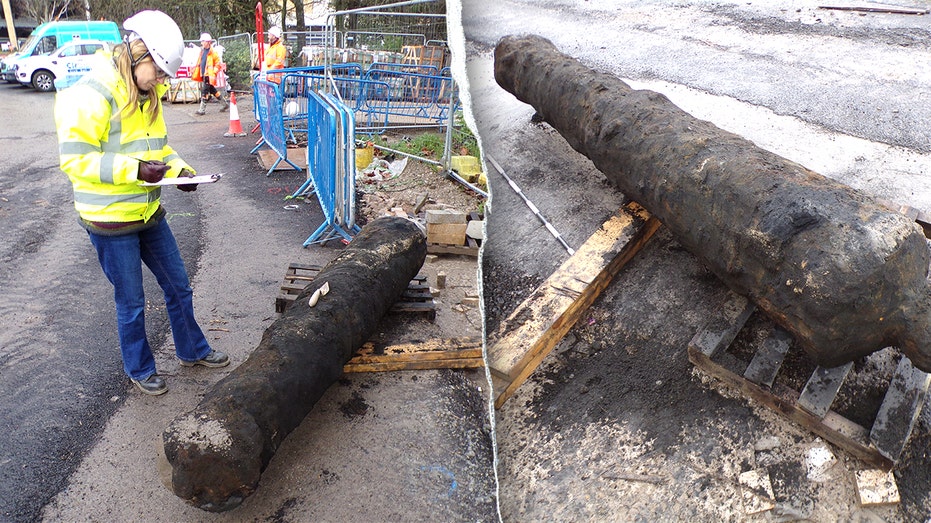
Construction crew unearths surprising 300-year-old cannon while digging in historic city
In only the third such discovery in 30 years, according to archaeologists, construction workers in Kingston upon Hull unearthed a rare 300-year-old cast-iron cannon.
read more